Optimization of the operation of electric vehicles, autonomous vehicles and smart mobility systems (OPT-SM)

Institutional research project

Area

STEM

Duration

48 months

Total funds

182,000.00 EUR

Abstract

Smart mobility is one of the thematic priority areas of both the European and national smart specialization strategies, and refers to the use of advanced technologies and innovative solutions to create efficient, sustainable and integrated transport systems with low CO2 emissions.

Its goal is to enable more efficient transport of people and goods while reducing the impact on the environment, taking into account social and economic benefits. As part of the project, the plan is to develop advanced solutions for smart mobility systems based on artificial intelligence, which will be robust and work in real time.

It will further improve advanced driver assistance systems and traffic management systems.

The databases and repositories created as part of the project will provide the wider scientific community with an effective basis for further research.

In addition, as part of the project, a test platform for drive systems of electric vehicles will be developed with the aim of optimizing energy flows inside the vehicle and increasing the range and efficiency of the vehicle.

The new platform will enable the development and optimization of algorithms for managing the batteries inside the vehicle and their more efficient cooling. The project’s activities will enable the publication of the results in relevant journals and at international meetings, thus increasing the scientific excellence of the applicant’s institution.


Main objectives

1

Equip laboratories with new research equipment that will be used in project activities and future modern research at the faculty and in the teaching process

2

Develop new robust algorithms for advanced driver assistance systems and algorithms for smart mobility systems (autonomous driving, smart intersection management) that should make traffic safer, more efficient, greener, more enjoyable, and more sustainable

3

Develop a test environment for electric vehicle drive systems

4

Develop new solutions for optimizing energy flows inside the vehicle to increase the range and efficiency of the vehicle

5

Develop a new algorithm for battery management and energy recovery

6

Develop a new algorithm for cooling battery systems

7

Develop a solution for expanding the measurement range of a thermographic camera while maintaining the level of measurement uncertainty

8

Design and model a new, more efficient way to calibrate a thermal camera

9

Involve students in project activities through the creation of 3 diploma theses

10

Establish collaboration with at least one company in the field of project research

11

Publish a total of at least 12 scientific papers in SCOPUS and WoS journals and internationally peer-reviewed proceedings in the project area (i.e. a minimum of 0.375 scientific papers per FTE team member per year), which will help team members, especially young researchers, achieve the conditions for advancement

12

Out of those 12 works listed in the 11th goal, at least 4 works should be published in journals ranked in the WoS and Scopus index databases.

13

Of the 12 listed papers listed in the 11th goal, publish at least 2 joint scientific papers with at least one company from the project area

14

Of the 12 listed works listed in goal 11, publish at least 2 scientific works in open access

15

Out of those 12 works listed in the 11th goal, publish at least 3 scientific works in co-authorship with the student

Additional goals

  • Investigate and evaluate advanced strategies for training machine learning models (transfer learning, training on synthetic data or in simulators, etc.)
  • Create large-scale databases, i.e. repositories, for training machine learning models for application in autonomous vehicle systems and smart mobility systems
  • Modernize the CROsolar electric vehicle for the needs of new future research
  • Configure a thermal camera for thermographic analysis of very small electronic elements (vehicle sensor, micro-heater)
  • Enable infrared detection of thermal anomalies in vehicle battery modules
  • Find the optimal filter for thermal radiation attenuation and determine attenuation parameters
  • Dissemination of project activities and results through various communication channels channels

Research team

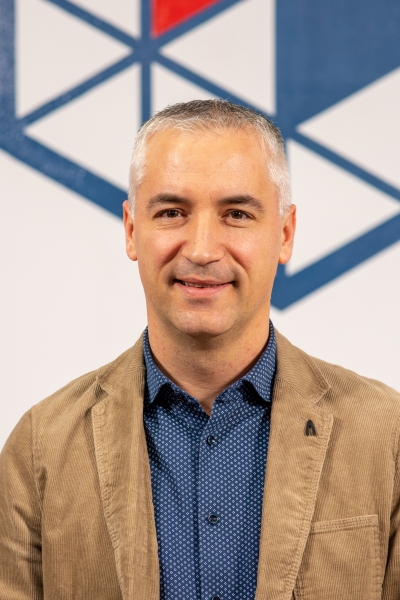
prof. dr. sc. Ratko Grbić

Work Package Leader, Researcher

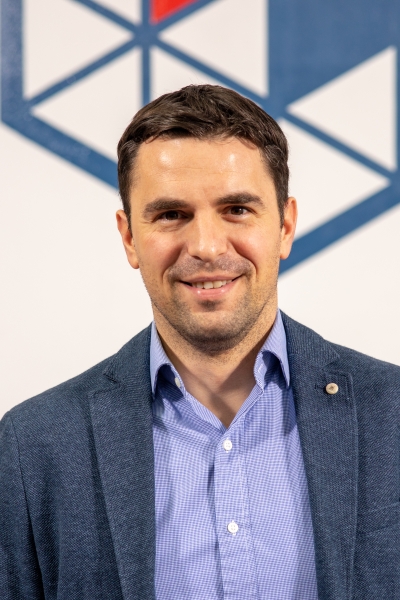
izv. prof. dr. sc. Denis Vranješ

Researcher in the field of image and video processing

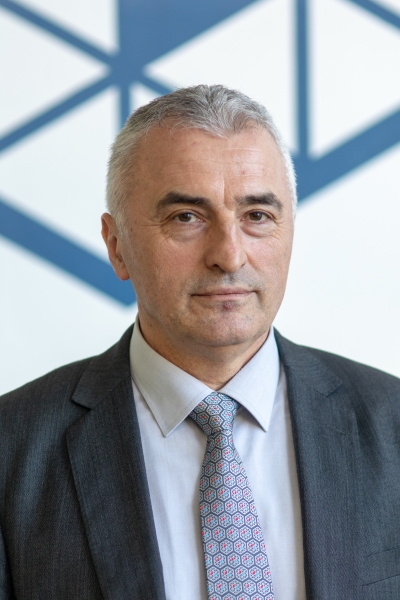
prof. dr. sc. Željko Hederić

Work Package Leader, Researcher

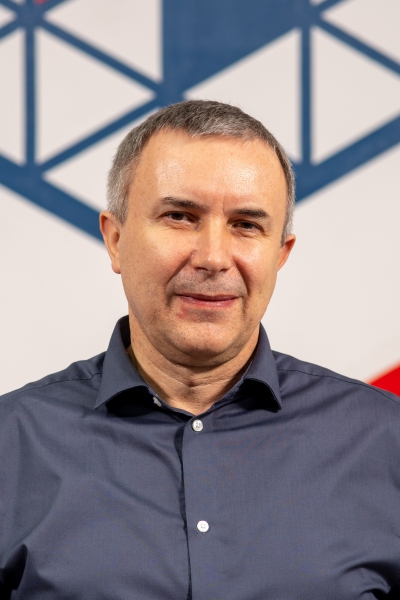
dr. sc. Dina Jukić

Work package leader, researcher

Funded by the European Union - Next Generation EU. However, the views and opinions expressed are solely those of the author(s) and do not necessarily reflect those of the European Union or the European Commission. Neither the European Union nor the European Commission can be held responsible for them.